
How to Tell If Your Roof Needs Repair or Full Replacement
Knowing whether a small repair will work or if a whole roof structure needs to be swapped out is a big decision for any homeowner. While some problems are easy to see from the ground, many issues hide under the surface. Seeking professional help is the only way to get a clear picture of what is happening above your head. A residential roofer can look at these factors and give an honest assessment of the situation.
Identifying Visible Surface Damage
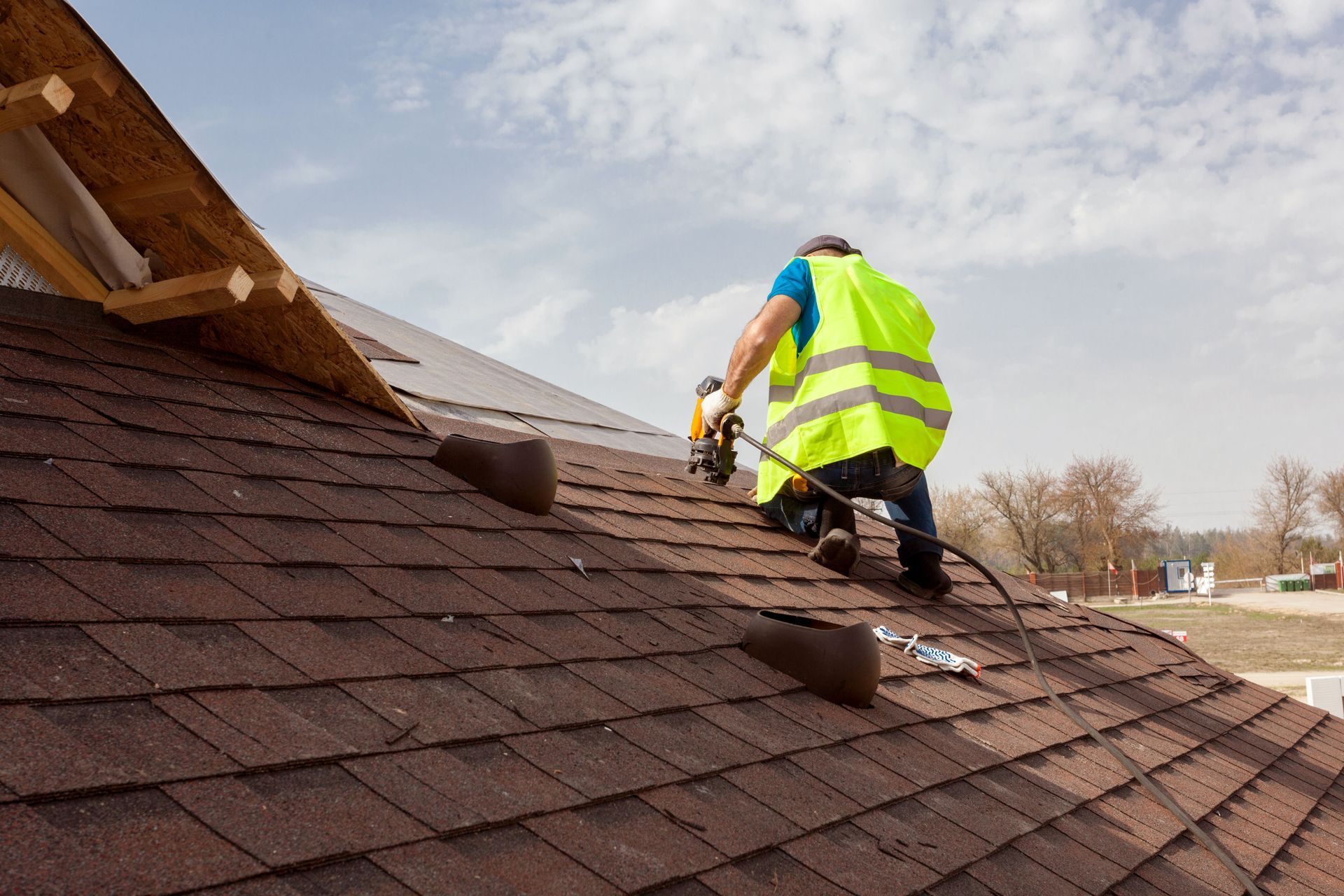
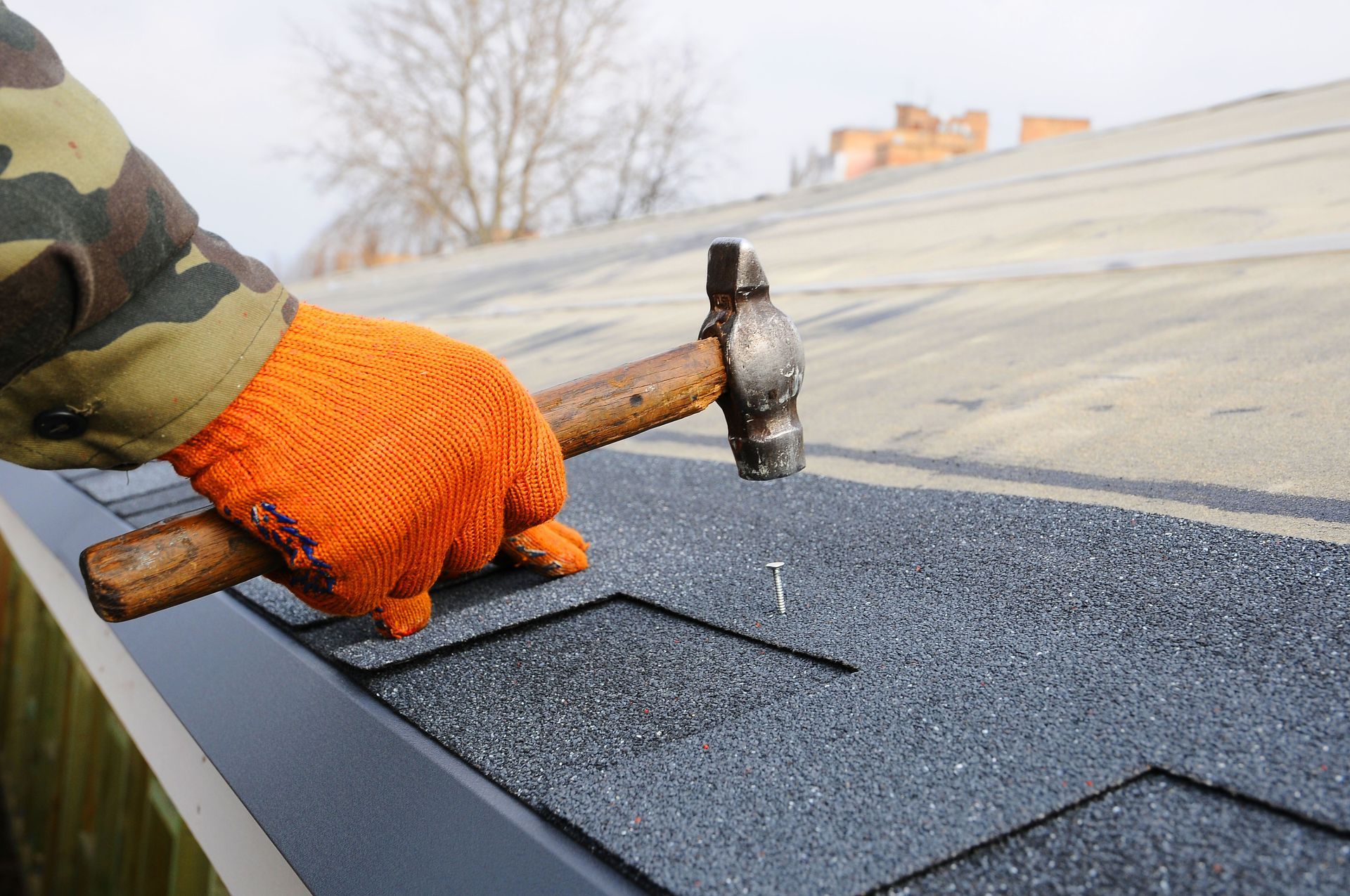
The first signs of trouble often show up on the surface of the materials. For homes with shingles, this might look like edges that are curling upward or corners that are starting to crack. When the sun beats down on a house for years, the materials become brittle. They lose their flexibility and start to break. If you see a few shingles that have blown off into the yard after a windy day, it might just mean a small repair is needed. However, if large sections of the roof show signs of decay or missing pieces, a full replacement is usually the better path. A residential roofer can climb up and check how many layers are affected and if the damage is widespread.
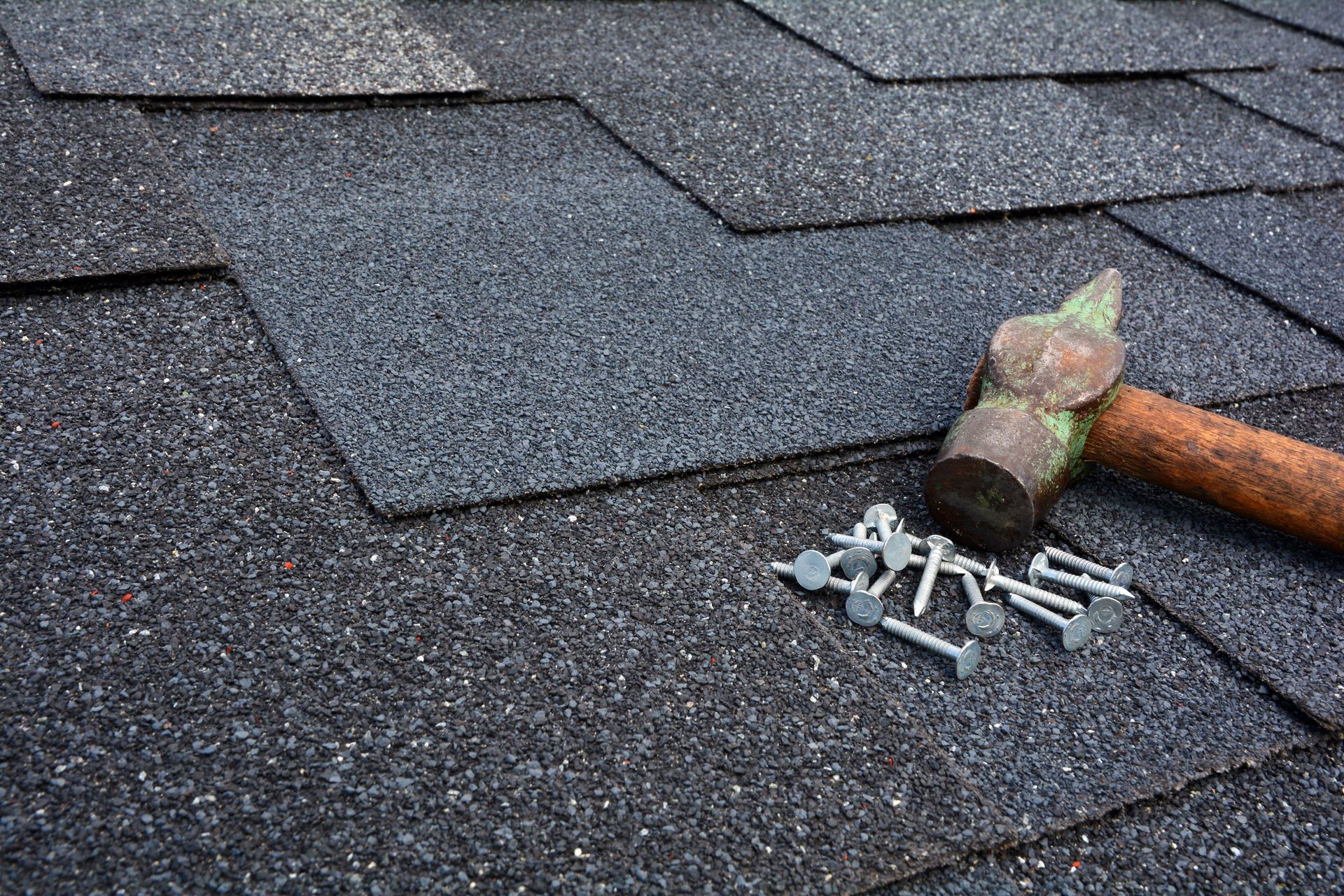
Granules are another thing to watch for. These are the small, sand-like pebbles that cover shingles to protect them from the sun. When these start to fall off, they often collect in the gutters. If the gutters are full of these granules, it means the shingles are bald and can no longer reflect heat or shed water properly. This is a clear signal that the material has reached the end of its life. Seeking professional help at this stage prevents the underlying wood from getting wet and rotting. A simple surface check can save a lot of money if the problem is caught early enough to be fixed with a minor patch.
Checking Interior Water Signs
Sometimes the roof looks fine from the outside, but the inside of the house tells a different story. Water is very good at finding tiny holes and traveling along beams until it finds a place to drop. If you notice brown spots on your ceiling or peeling paint on the walls, water is getting in somewhere. Dark streaks in the attic or damp insulation are also major warning signs. These leaks do not always mean the whole roof is bad. A residential roofer might find that a single piece of metal flashing around a chimney has come loose. Fixing that one spot can stop the leak and add more years to the life of the roof.
Ignoring these small spots is a mistake. Even a tiny drip can lead to big problems like wood rot or mold inside the walls. These issues are much more expensive to fix than a simple roof patch. When water gets into the structural parts of the house, it weakens the entire building. Seeking professional help to find the source of the leak is vital. Professionals have tools to track moisture and find exactly where the barrier has been broken. They can tell you if the leak is an isolated incident or if the whole surface is porous and letting water through in multiple spots.
Evaluating the Age of Your Roof
Age is a major factor in deciding between a fix and a new installation. According to Today's Homeowner, roof repair is generally preferable when a roof is under 15 years old and the damage is minor. If your roof was installed decades ago and you are starting to see multiple leaks, a repair might just be a temporary bandage. Spending money to fix one spot when another spot will break soon after is not a good use of funds. A residential roofer can help you figure out the age of the materials and how much longer they are likely to last. This helps you decide if you should keep patching or start fresh.
Many people find that replacing the roof all at once provides a sense of calm. You no longer have to worry every time a dark cloud appears in the sky. Newer materials are often more durable and better at handling high winds. While a full replacement is a larger project, it often makes more sense for older homes. Seeking professional help allows you to see the cost difference between constant small repairs and one big update. Planning for a replacement before the roof actually fails is a smart way to manage a home.
Observing Structural Sagging
A roof should have a straight, clean line along its peak and across its slopes. If you notice any dipping or sagging, this is a serious sign of trouble. Sagging usually means that water has soaked into the wood underneath the shingles, causing it to soften and bend. It could also mean that the roof was not built to handle the weight of the materials on top of it. This is not something that can be fixed with a few new shingles. It requires a deeper look at the bones of the house. A residential roofer will check the rafters and the decking to see how much of the structure has been compromised.
This type of damage is often the result of long-term neglect or hidden leaks. When the wood stays wet for a long time, it loses its strength. If the sagging is caught early, a professional might be able to replace just the damaged wood and the shingles above it. If the sagging is happening across the whole roof, a full replacement is necessary to make the house safe again. Seeking professional help is the only safe way to deal with structural issues. Walking on a sagging roof is dangerous and should never be done by anyone without the right safety gear and training.
Monitoring Attic Ventilation Performance
A roof is more than just the top layer; it is a system that includes airflow. If the attic is too hot or too damp, it can ruin the roof from the inside out. In the summer, a hot attic can bake the shingles, causing them to wear out much faster than they should. In the winter, trapped moisture can turn into frost and then melt into the wood. If you notice bills are rising or that your attic feels like a sauna, your roof system might be failing. A residential roofer can check if the vents are blocked or if more ventilation is needed to keep the air moving.
Proper airflow keeps the roof at a steady temperature and prevents ice dams from forming in the winter. Ice dams happen when heat from the house melts snow on the roof, which then refreezes at the cold edges. This ice blocks water from draining off, forcing it under the shingles and into the house. If your home has a history of ice dams, it might be time to seek professional help to update the way the roof handles air and water. This often involves changing the way the edges are sealed or adding new types of vents during a replacement.
Assessing Recent Storm Impact
Sometimes the need for a new roof has nothing to do with age and everything to do with a single event. High winds can lift shingles and tear them away, leaving the wood exposed. Hail can hit the surface with enough force to create dents or knock off the protective granules. Even if the roof looks okay from the street, these small impacts create weak spots that will turn into leaks later. After a major storm, it is a good idea to have a residential roofer perform a check. They can find issues that are invisible to the untrained eye.
Deciding between a repair and a replacement is about looking at the big picture of your home. Small fixes are great for isolated problems, but a full replacement provides long-term security and protects the structure from top to bottom. Seeking professional help is the best way to determine which path is right for your specific situation. If you have concerns about the condition of your home, contact a residential roofer at Potvin Roofing to help you decide if it is time for a repair or a full replacement.
Share On: